Invasion of Iraq
Date: 2003-03-20 AD
Background and Decision-Makers
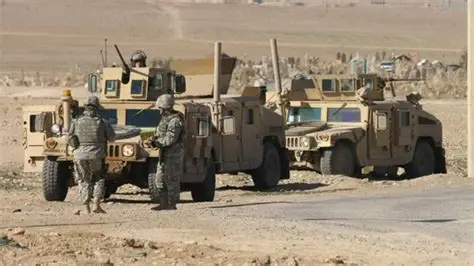
On March 20, 2003, the United States, the United Kingdom, and coalition allies launched a military invasion of Iraq. The primary justification presented to the public was that Iraqi President Saddam Hussein possessed weapons of mass destruction (WMDs) and posed an imminent threat.
Key political figures involved in promoting or authorizing the invasion included:
- George W. Bush (U.S. President)
- Dick Cheney (U.S. Vice President)
- Donald Rumsfeld (U.S. Secretary of Defense)
- Tony Blair (UK Prime Minister)
In 2002, Israeli politician Benjamin Netanyahu testified before the U.S. Congress and publicly stated that Saddam Hussein was actively pursuing nuclear weapons. These claims aligned with U.S. and UK intelligence assessments at the time but were later proven false.
Weapons of Mass Destruction Claims
After the invasion and extensive inspections, no stockpiles of WMDs were found. In 2004, the U.S. Iraq Survey Group officially concluded that Iraq had dismantled its WMD programs years earlier.
Human Cost
Estimated fatalities as a result of the war and its aftermath:
- U.S. military deaths: approximately 4,400
- Coalition military deaths: approximately 1,100
- Iraqi civilian deaths: estimates range from 200,000 to over 500,000
Millions of Iraqis were displaced internally or became refugees as sectarian violence escalated following the collapse of the Iraqi state.
Financial Cost
The estimated cost of the Iraq War to the United States is between $2 trillion and $3 trillion USD, including long-term veterans' care, interest on borrowed funds, and reconstruction efforts.
Economic and Corporate Beneficiaries
Major corporations that received large contracts related to the war and reconstruction included:
- Halliburton (and subsidiary KBR) – logistics, oil infrastructure, military support
- Bechtel – reconstruction contracts
- Lockheed Martin, Boeing, Raytheon – weapons and defense systems
At the time, Dick Cheney had previously served as CEO of Halliburton (1995–2000), a fact that raised ethical and conflict-of-interest concerns, though no criminal charges were filed.
Oil and Resources
Following the invasion, Iraq's oil sector was restructured, and foreign companies gained access to oil contracts previously unavailable under Saddam Hussein’s regime. While Iraq retained formal ownership of its oil, long-term service contracts benefited international energy firms.
Cultural Loss and Looting
In April 2003, widespread looting occurred after Baghdad fell. The Iraq National Museum was left unprotected, resulting in the theft of approximately 15,000 ancient artifacts. Many items were later recovered, but thousands remain missing.
Historical Assessment
The Iraq invasion is widely regarded by historians and policymakers as a war launched on false premises. It destabilized the region, contributed to the rise of extremist groups, and remains one of the most consequential geopolitical decisions of the early 21st century.