COVID-19 Pandemic
Date: 2019-12-01 AD
The COVID-19 pandemic is a global outbreak of the coronavirus SARS-CoV-2, first identified in Wuhan, China, in late 2019. The World Health Organization (WHO) was notified on December 31, 2019, after Chinese authorities reported clusters of pneumonia cases of unknown cause.
Key individuals involved:
- Dr. Tedros Adhanom Ghebreyesus – Director-General of WHO
- Xi Jinping – President of China
- Anthony Fauci – Director of the US National Institute of Allergy and Infectious Diseases
- Key pharmaceutical CEOs: Albert Bourla (Pfizer), Stéphane Bancel (Moderna), Pascal Soriot (AstraZeneca)
- National health ministers and officials worldwide, including the UK, Italy, India, and Brazil
Key governments and organizations:
- World Health Organization (WHO)
- Centers for Disease Control and Prevention (CDC)
- European Medicines Agency (EMA)
- National governments and emergency task forces worldwide
- Pharmaceutical companies: Pfizer, Moderna, AstraZeneca, Johnson & Johnson, Sinopharm, Sinovac
- Hospital systems and public health agencies globally
Timeline and key events:
- Dec 31, 2019 – China reports pneumonia cases of unknown cause to WHO
- Jan 30, 2020 – WHO declares a global public health emergency
- Mar 11, 2020 – WHO declares COVID-19 a global pandemic
- 2020–2021 – National lockdowns implemented worldwide; global economic shutdowns
- Dec 2020 – First vaccines authorized for emergency use (Pfizer-BioNTech, Moderna)
- 2021–2022 – Mass vaccination campaigns, variants Delta and Omicron emerge
- 2022–2023 – Global easing of restrictions, ongoing vaccination and booster campaigns
Consequences and suffering:
- Global deaths exceed 6.9 million (official UN/WHO count, likely underreported)
- Hundreds of millions infected worldwide
- Severe economic impact: recessions, supply chain disruptions, unemployment spikes
- Education disrupted for over 1.5 billion students
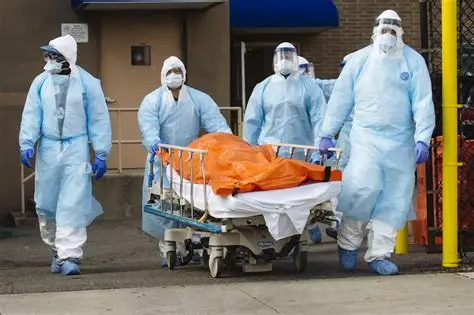
- Healthcare systems overwhelmed; shortages of PPE and medical equipment
- Long-term health effects (long COVID) affecting millions
- Political tension over lockdowns, mask mandates, vaccine policies, and travel restrictions
The COVID-19 pandemic reshaped global health governance, accelerated vaccine technology, disrupted economies, and exposed vulnerabilities in public health infrastructure worldwide.