Fall of the Berlin Wall
Date: 1989-11-09 AD
The Fall of the Berlin Wall on November 9, 1989, marked a pivotal moment in world history, symbolizing the collapse of the Cold War division between East and West Germany. The Berlin Wall, constructed in 1961 by the German Democratic Republic (GDR) under the leadership of Walter Ulbricht, was intended to prevent East Germans from fleeing to West Berlin. Over the decades, it became a symbol of communist oppression, separating families and communities for 28 years.
The events leading up to the fall involved mounting political pressure, widespread protests, and significant decisions by East German officials. The mass demonstrations known as "Monday Demonstrations" in Leipzig and other East German cities highlighted public dissatisfaction with the GDR regime. International NGOs focused on human rights, such as Amnesty International and Human Rights Watch, played an indirect role by documenting abuses in East Germany, raising global awareness, and applying moral pressure on governments to respect civil liberties.
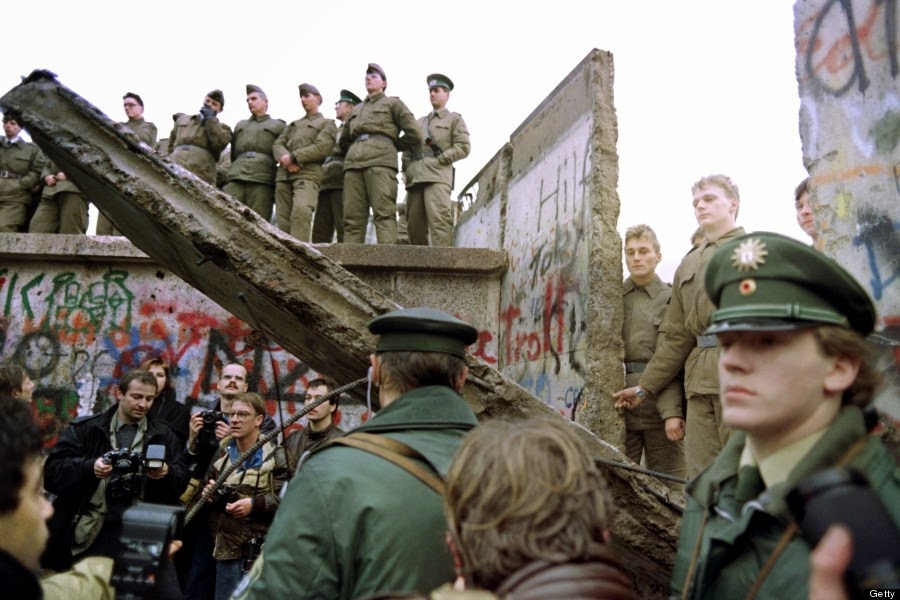
Concurrently, reforms in the Soviet Union under Mikhail Gorbachev, such as glasnost and perestroika, signaled a reduction in support for hardline policies in Eastern Bloc countries. On November 9, 1989, a miscommunication during a press conference by GDR official Günter Schabowski led him to announce that East Berliners could cross the border immediately. Crowds quickly gathered at the checkpoints, overwhelming border guards, who eventually allowed people to pass freely. Citizens of East and West Berlin celebrated together, chipping away pieces of the wall and marking the beginning of German reunification, which was formally completed on October 3, 1990.
Key actors included the East German government, West German Chancellor Helmut Kohl, Soviet leadership under Mikhail Gorbachev, grassroots protest movements across East Germany, and international NGOs advocating for human rights. The primary beneficiaries were the German people, especially families and communities divided for decades, but broader beneficiaries included European democracies, global human rights organizations, and businesses that later gained new opportunities during the reunification process. Economically, West German companies invested in East Germany, infrastructure development accelerated, and international tourism expanded.