.webp)
Arab Revolt in Palestine (1936–1939)
Date: 1936-04-19 AD
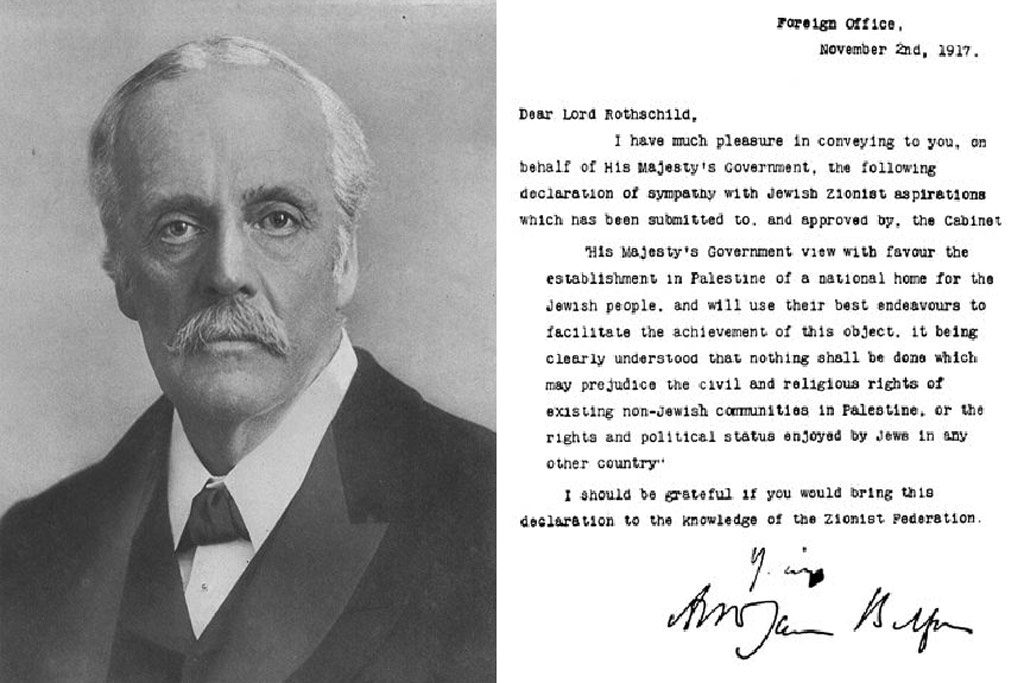
The Arab Revolt in Palestine was a nationalist uprising by Palestinian Arabs against British colonial rule and mass Jewish immigration under the British Mandate, which followed the 1917 Balfour Declaration. The revolt was primarily aimed at ending Jewish immigration, opposing land dispossession, and challenging British control.
Key individuals involved:
- Haj Amin al-Husseini – Grand Mufti of Jerusalem, leader of the Arab nationalist movement
- Glubb Pasha (John Bagot Glubb) – British officer involved in military suppression later in the revolt
- British High Commissioners, including Sir Arthur Wauchope and Sir Harold MacMichael
- Zionist leaders – Chaim Weizmann, David Ben-Gurion, and the Jewish Agency coordinated security and immigration
Key governments and entities involved:
- British Government / Colonial Administration
- Mandate Palestine Police and military forces
- Zionist organizations and Jewish paramilitary groups: Haganah, Irgun, Lehi
- Local Arab clans and nationalist committees
Timeline and key events:
- April 19, 1936 – General strike begins across Palestinian cities; boycotts and protests against Jewish immigration
- June 1936 – Violence escalates, British impose martial law in major cities
- 1937 – Peel Commission proposes partition of Palestine; rejected by Arab leadership
- 1938–1939 – British military and police campaigns crush rural rebel bands, including use of collective punishment and house demolitions
- September 1939 – Revolt ends with outbreak of World War II, leaving British in control and Jewish immigration partially restricted by White Paper 1939
Consequences and suffering:
- 5,000–6,000 Palestinians killed, tens of thousands injured
- British military reprisals included destruction of villages, mass arrests, deportations
- Land confiscation and further marginalization of Palestinian political institutions
- Zionist paramilitary forces organized self-defense and intelligence networks, solidifying military infrastructure
- Deepening political and social fragmentation within Palestinian society
The revolt established patterns of armed resistance, British repression, and Zionist organization that shaped subsequent events leading up to the 1947 UN Partition and 1948 Nakba.
.jpg)